Bengaluru, India
ProjectsApril 26, 2026

DubStudio

image
A Case Study In Building An End-To-End AI Video Dubbing Pipeline DubStudio is a production-ready full-stack application for automated video dubbing. It ingests a source video, processes speech and language transformations with AI, and outputs dubbed videos in multiple target languages. The platform combines a React + Vite frontend for workflow control and preview with a FastAPI backend that orchestrates audio extraction, speech processing, translation, synthesis, and final video assembly. Core technologies include Sarvam for speech-to-text and text-to-speech, Gemini-powered translation, and media processing utilities such as PyDub and FFmpeg. Most multilingual video publishing pipelines are still manual and fragmented. Teams typically have to split audio, coordinate translators, record or synthesize voice tracks, manually align timelines, and re-render videos for each language. This process is slow, expensive, and difficult to scale when publishing across many regions. The goal for DubStudio was to create a single system that can:
  • Process videos end-to-end with minimal operator effort
  • Maintain timing quality and voice clarity across languages
  • Support repeatable, API-driven production workflows
  • Reduce time from source upload to localized output
The system is split into two clear layers:
  • Frontend (React + Vite)
    • Uploads and job configuration
    • Target language selection
    • Pipeline status and stage-by-stage progress
    • Output preview and download
  • Backend (FastAPI + Python workers)
    • Media preprocessing and job orchestration
    • AI service integrations for STT, translation, and TTS
    • Audio timeline reconstruction and synchronization
    • Final video muxing and artifact storage
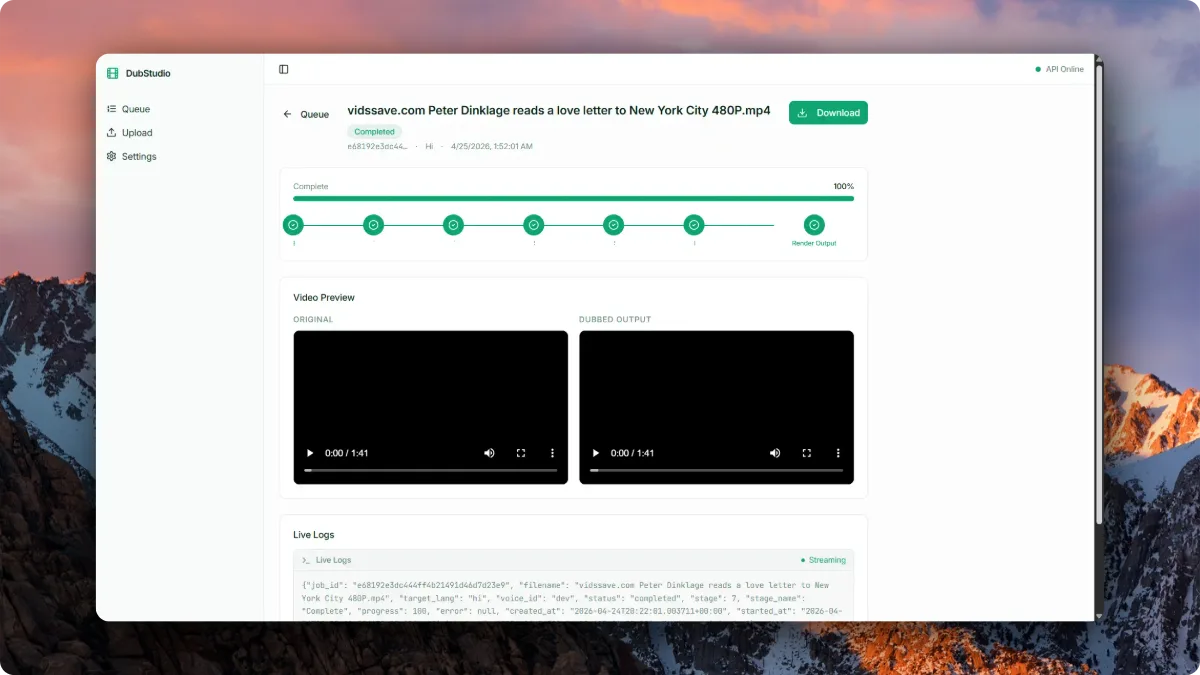
This split keeps the UI responsive while heavy media and model workloads run asynchronously in backend job workers. DubStudio executes a deterministic seven-stage pipeline for every language target: | Stage | Description | | --- | --- | | 1 | Extracting audio | | 2 | Transcribing audio (Sarvam saaras:v3) | | 3 | Translating segments (Gemini translation layer) | | 4 | Generating dubbed speech (Sarvam bulbul-v3) | | 5 | Syncing audio timing | | 6 | Assembling audio track | | 7 | Muxing final video | The backend first separates audio from the source video and normalizes format characteristics such as sample rate and channels. Standardizing the audio stream at this step improves downstream transcription and synthesis quality. Source speech is transcribed using Sarvam's saaras:v3 model. The transcript is segmented with timing metadata so each spoken unit can be translated and reconstructed with temporal fidelity. Segment text is translated through Gemini-backed translation workflows. Prompting and validation layers preserve speaker intent, domain-specific terminology, and sentence boundaries to support natural reconstructed speech. Translated segments are synthesized with Sarvam bulbul-v3, generating per-segment dubbed clips in the target language. Generated clips are aligned against original segment durations. Stretch, trim, and silence-padding strategies are applied to keep dubbed speech synchronized to scene pacing while avoiding severe speech artifacts. Using PyDub-based composition logic, segment clips are stitched into a continuous, timeline-accurate target-language audio track. Finally, the assembled dubbed track is muxed back into the source video stream using FFmpeg tooling, producing downloadable language-specific output assets. FastAPI was chosen for high-throughput, typed APIs and background processing ergonomics. It enabled clean endpoint design for job lifecycle operations: create, monitor, retry, and retrieve output artifacts. Instead of treating dubbing as a monolithic conversion, the pipeline processes language units segment-by-segment. This improved parallelism, debuggability, and per-stage observability. Temporal alignment was treated as a first-class concern, not a post-processing patch. By keeping segment boundaries and timing metadata from the STT stage onward, DubStudio delivers better lip-sync plausibility and pacing continuity. DubStudio turns a previously manual localization workflow into a reproducible, API-driven system. The platform enables creators and teams to publish multilingual variants from a single source video with significantly less turnaround time and operational overhead. Planned extensions include:
  • Speaker diarization-aware multi-voice dubbing
  • Subtitle export with synchronized translated captions
  • Batch processing pipelines for large media libraries
  • Quality scoring loops for automatic re-synthesis on low-confidence segments
DubStudio establishes a strong technical foundation for scaling multilingual video operations with AI.

Related projects

FindHackers

FindHackers

Showcase your best projects & get hired. Elite indie builders who ship end-to-end.
InvestAI

InvestAI

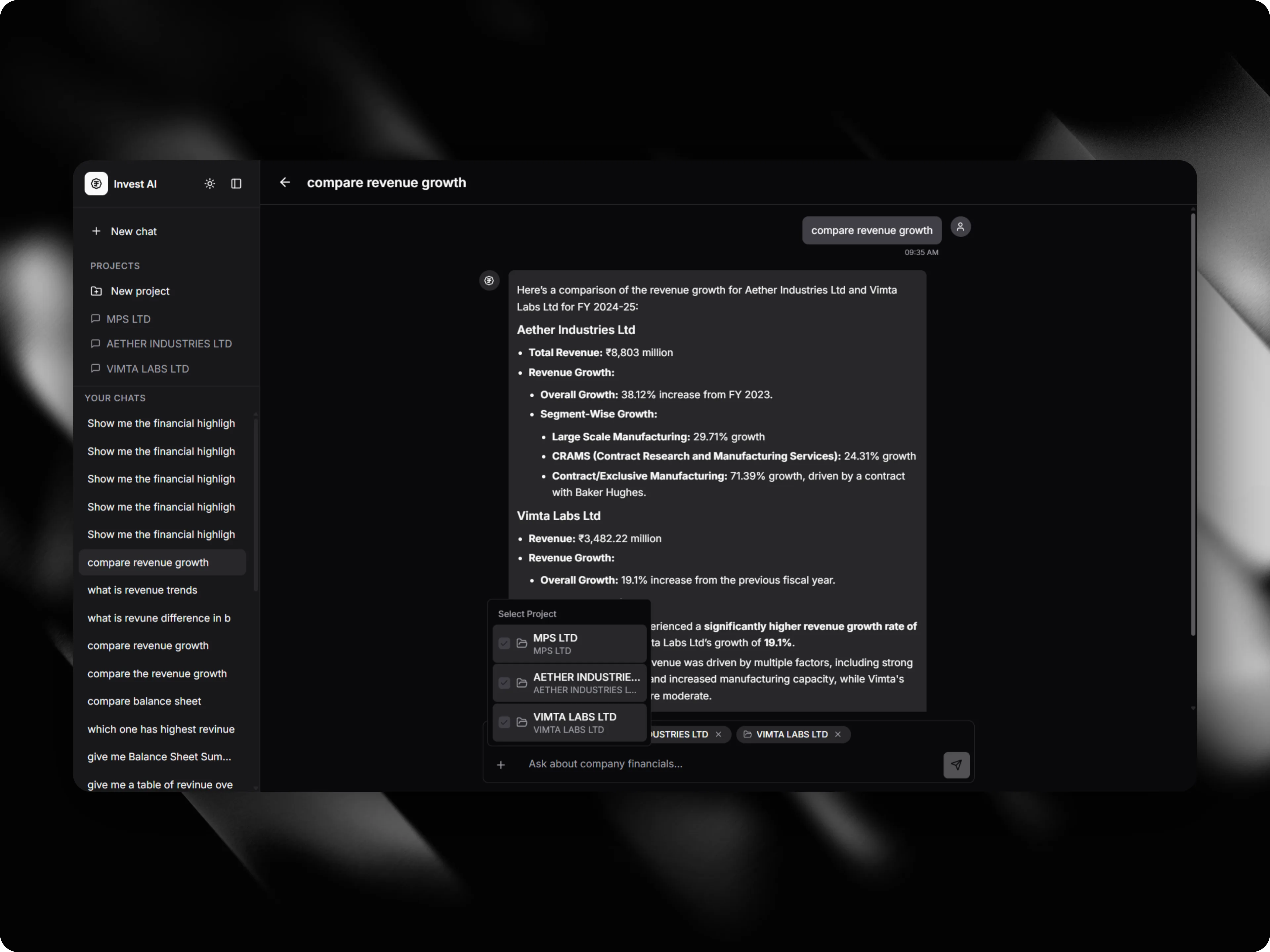
Intelligent BSE annual report intelligence: ingest filings, extract financial metrics, and query structured data conversationally—from hours of PDF review to minutes.
FitBites

FitBites

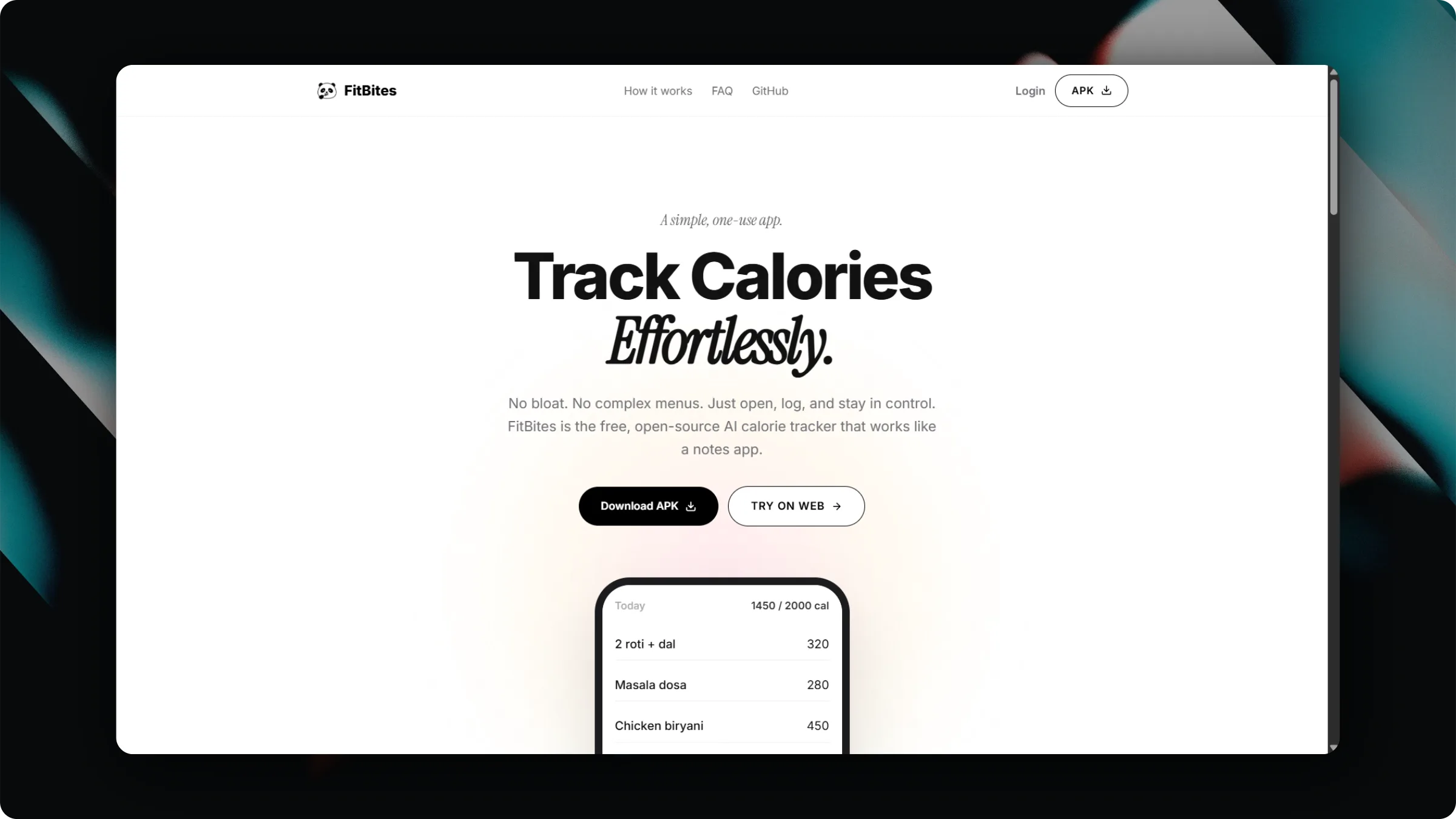
Free, open-source AI calorie tracker—plain-English meal logging, instant macros, and cross-platform sync. Built with Expo and Appwrite.
AI Toolbox

AI Toolbox

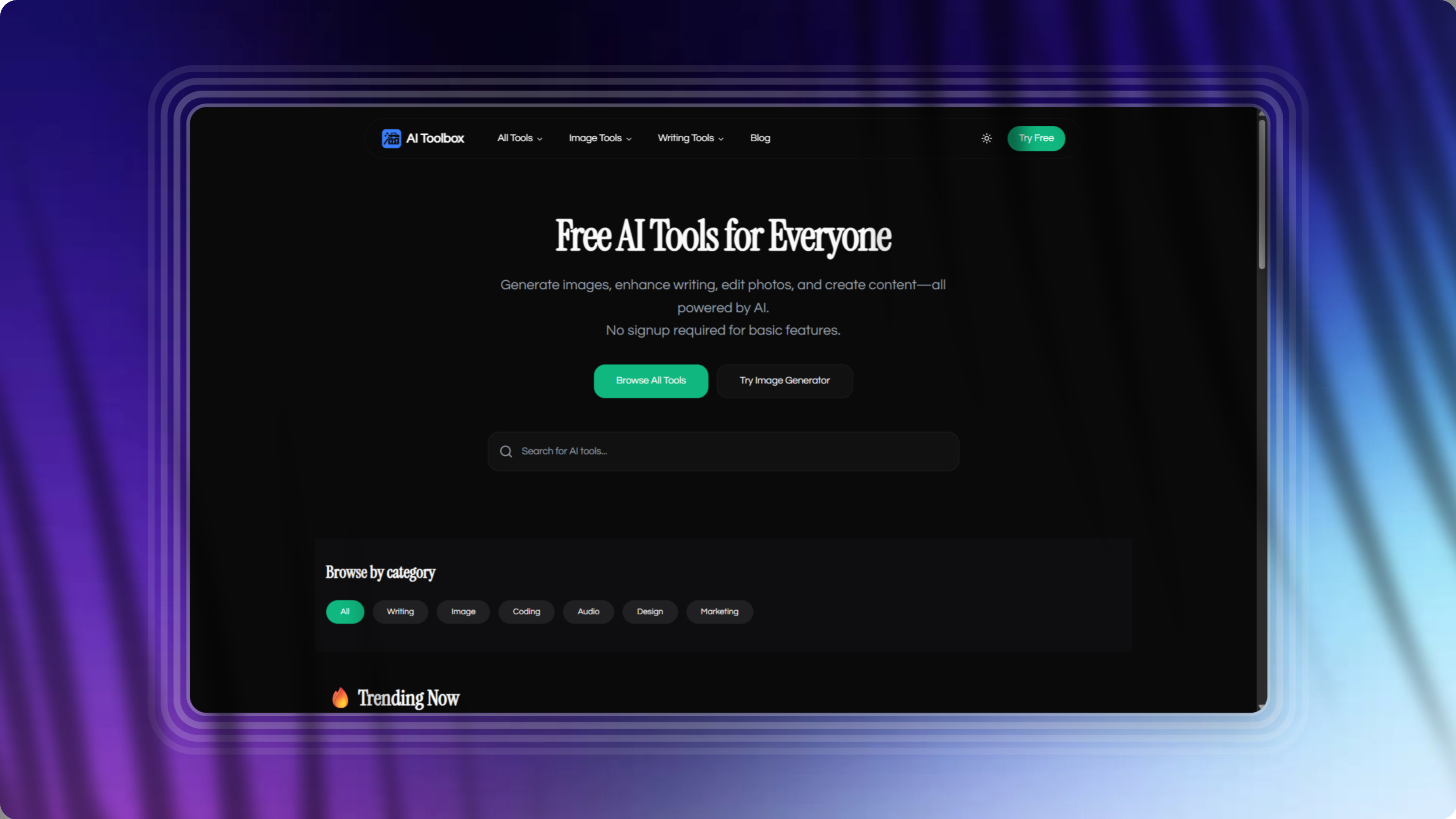
100% free AI tools including image generator, writing assistant, and more. No signup required.
Saksham Investments

Saksham Investments

Expert Wealth Management Solutions with over 25 years of experience in the securities market.
Cana Gold Beauty

Cana Gold Beauty

Luxury Skin Care and Health products featuring 24K Nano Gold and nature's finest ingredients.